
What is Vintage Interior Design?
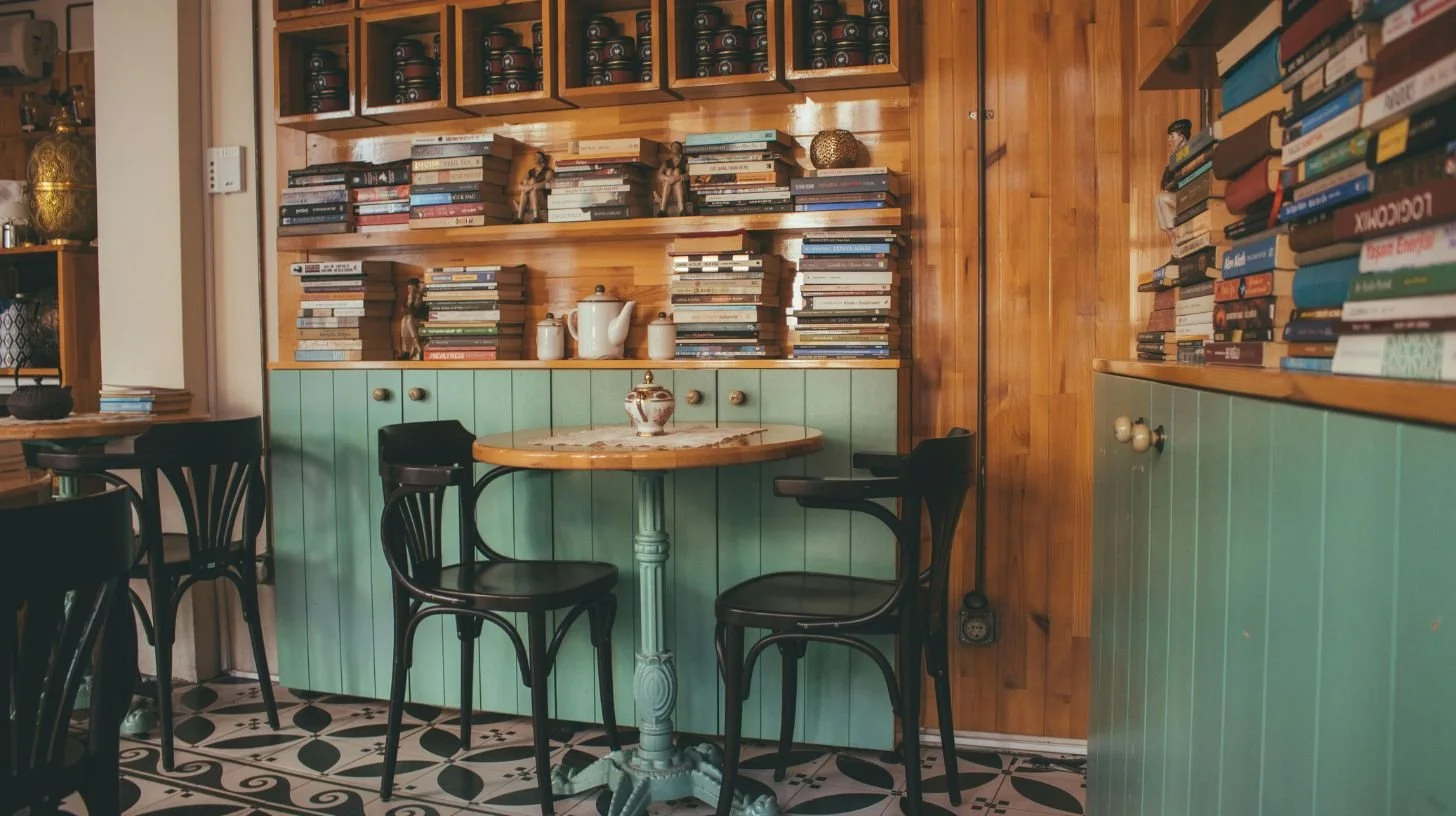
He vintage interior design it is a decorative trend that rescues the aesthetics of past decades to integrate it into current spaces, creating environments full of personality, history and charm. Far from being a simple accumulation of ancient objects, this style seeks balance, coherence and a visual narrative that connects past and present.
Unlike other decorative trends, vintage design focuses on authentic pieces, noble materials and details that evoke specific eras, especially between the 20s and 80s. The result is warm, cozy and unique spaces, where each element has something to tell.
Key features of vintage interior design
Furniture with history and personality
One of the pillars of vintage interior design is the use of original furniture from other periods. These are not modern reproductions, but pieces that have lived the passage of time: restored sideboards, solid wood tables, classic chairs or antique display cases.
These elements provide authenticity and turn any room into a unique space. Furthermore, many of these pieces stand out for their artisanal quality, something difficult to find in current furniture.
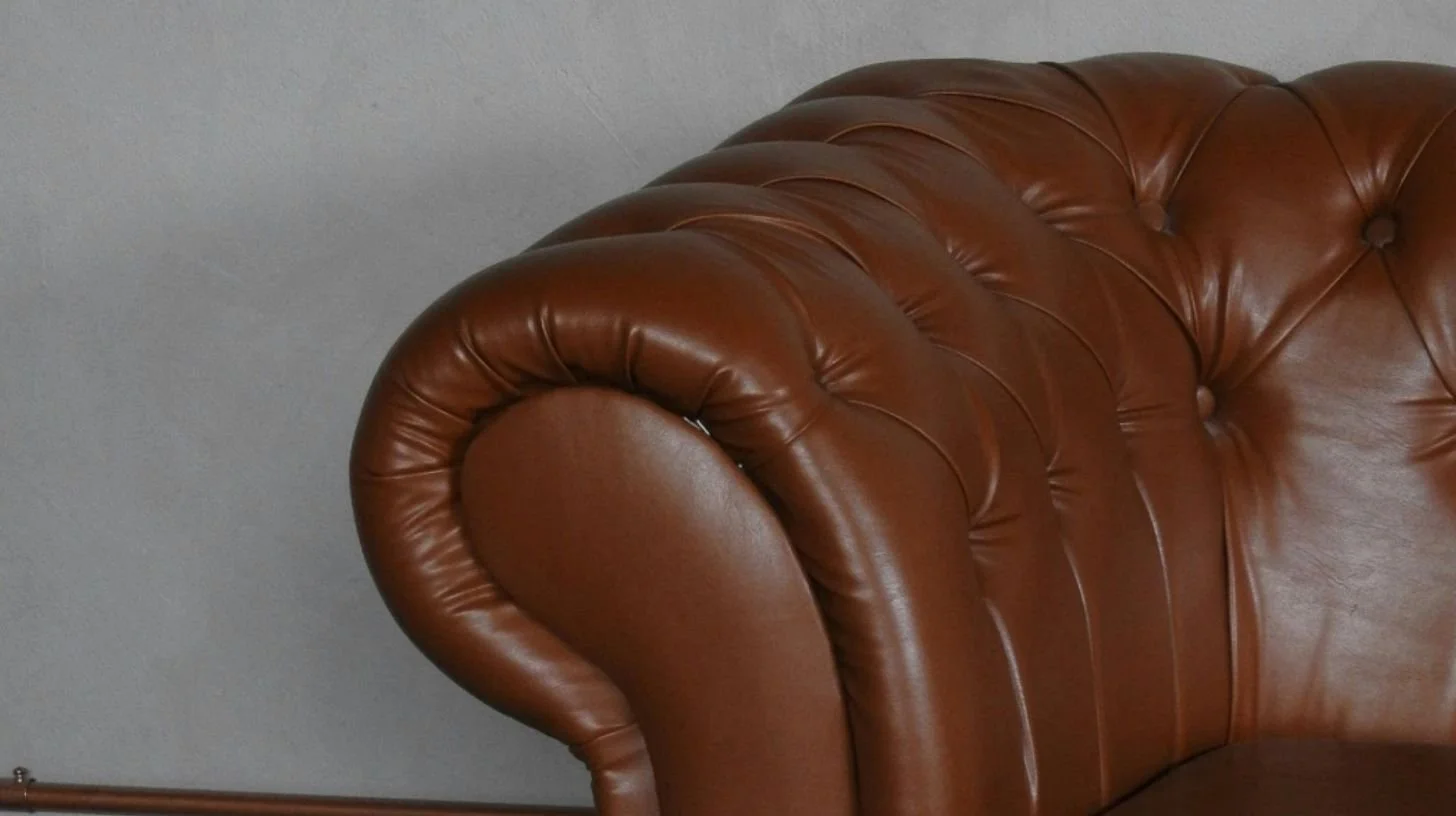
Natural materials and handmade finishes
Traditional materials such as wood, wrought iron, linen or cotton predominate in vintage interior design. The finishes are usually imperfect or slightly aged, which reinforces the character of the style.
This approach provides visual and sensory warmth, moving away from excessively polished or industrial finishes.
Soft color palette
Colors play a fundamental role. Powder tones such as pale pink, mint green, sky blue or beige create a delicate and nostalgic atmosphere. Off whites and cream tones are also common.
This palette helps enhance natural light and generate relaxing and welcoming spaces.
Importance of decorative details
Small elements make a difference in vintage interior design. Textiles with floral prints, lace, antique vases, classic watches or black and white photographs are some of the most used resources.
These details provide personality and complete the aesthetics without having to overload the space.
How to apply vintage interior design at home
Combine the old with the current
One of the keys to the success of vintage interior design is the balanced mix between antique pieces and contemporary elements. Incorporating modern technology or current furniture helps prevent the space from becoming outdated.
For example, a modern sofa can coexist perfectly with a vintage coffee table or a classic lamp.
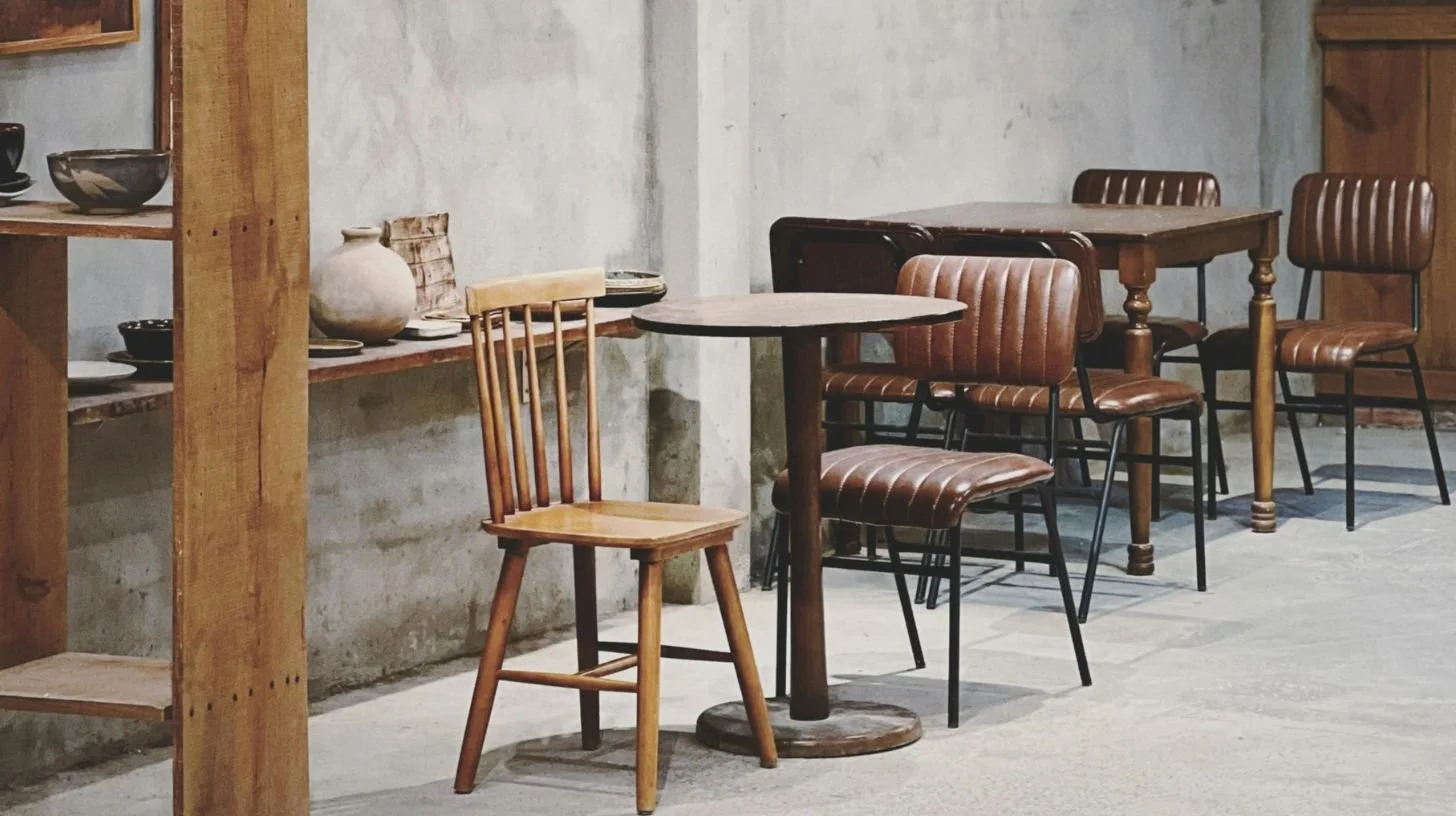
Bet on leading pieces
It is not necessary to fill the entire house with old objects. In many cases, it is enough to choose one or two key pieces that act as a focal point: a restored sideboard, a chandelier or a mirror with an ornate frame.
These pieces provide character without saturating the environment.
Recover and restore
Vintage interior design also involves giving a second life to antique furniture. Restoring, painting or upholstering pieces inherited or found in flea markets is a sustainable and economical way to decorate.
Additionally, this process adds emotional value to the space.
Take care of the lighting
Lighting is essential to enhance the vintage style. Table lamps, wall sconces or luminaires with aged finishes help create a warm and welcoming atmosphere.
Warm light bulbs are especially recommended to reinforce this effect.
Differences between vintage, retro and antique
Vintage vs retro
Although they are often used synonymously, they do not mean the same thing. Vintage refers to original pieces from another era, while retro refers to current objects designed with antique aesthetics.
In vintage interior design, authenticity is key, so original furniture is prioritized over imitations.
Vintage vs antique
Antique objects are usually more than 100 years old, while vintage pieces are in a more recent range. This makes the vintage style easier to integrate into contemporary homes.
Advantages of vintage interior design
Vintage interior design is not only an aesthetic issue, it also offers multiple benefits:
Sustainability: encourages reuse and reduces the consumption of new resources.
Exclusivity: Each piece is unique, which avoids generic spaces.
Quality: Many antique furniture stands out for its durability.
Emotional value: Objects can have personal or family meaning.
In addition, this style allows you to adapt to different tastes, from more romantic environments to more eclectic proposals.
Current trends in vintage interior design
Modern vintage
One of the most popular trends is the fusion between vintage style and contemporary design. The old pieces are maintained, but they are integrated into more minimalist spaces.
Nordic influence
The Scandinavian style has influenced vintage interior design, providing luminosity, simplicity and functionality.
Mix of styles
It is increasingly common to combine vintage elements with industrial or modern styles, creating eclectic and personalized spaces.
Common mistakes when decorating with vintage style
Recharge the space
One of the most common mistakes is saturating the room with too many old objects. Balance is essential to avoid a chaotic visual effect.
Lack of coherence
Although vintage interior design allows you to mix elements, it is important to maintain a coherent aesthetic line in colors, materials and shapes.
Neglecting functionality
The design should not compromise comfort. It is important to adapt old pieces to current needs.
Cristina Garau Interiorismo, your interior design studio in the heart of Palma de Mallorca
If you are thinking about renovating your home, having a professional team can make a difference in the final result. At Cristina Garau Interiorismo, personalized projects are developed that combine aesthetics, functionality and attention to detail, adapting to the needs of each client.
Specialized in comprehensive renovations with interior design in the Balearic Islands, they accompany you throughout the entire process to transform your home into a unique space, cared for and designed to enjoy.