
Trend colors for walls in 2026
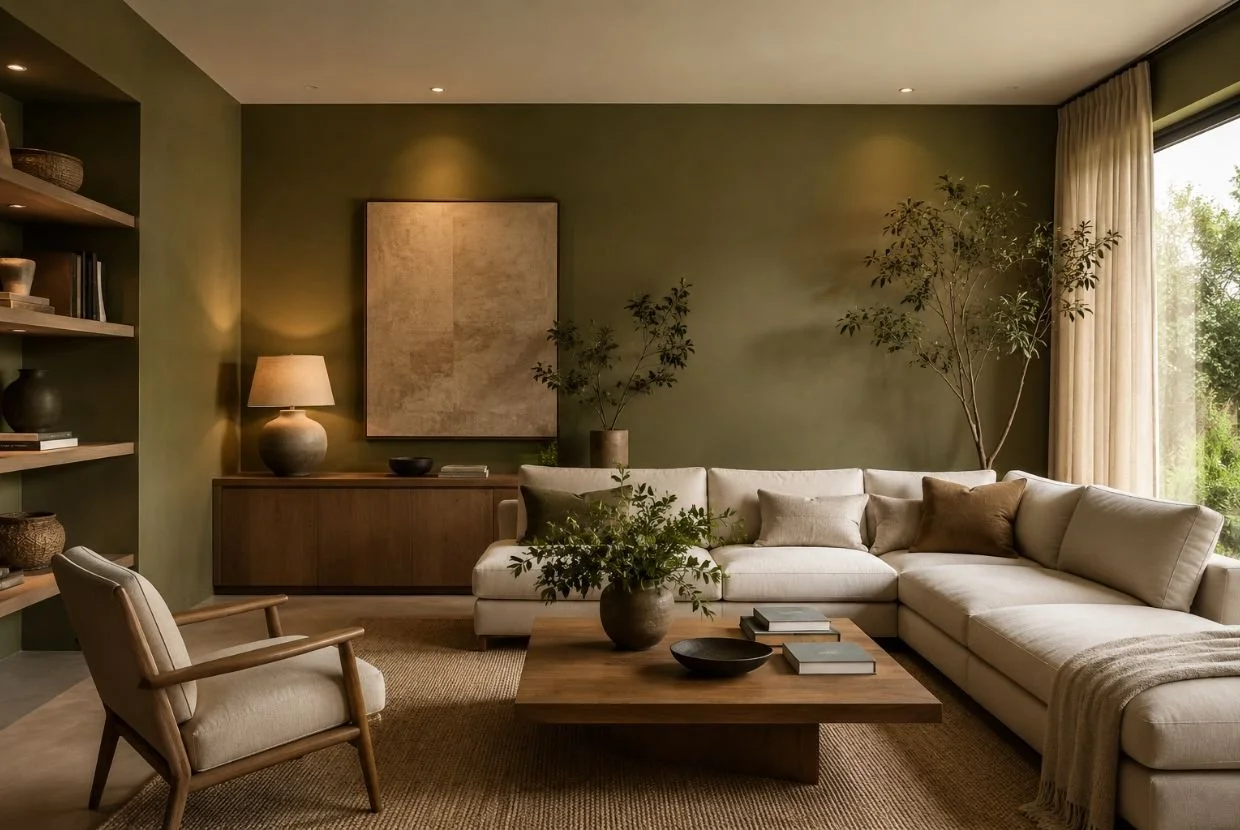
Choosing the right color for your walls can completely transform the perception of a space. In 2026, interior design trends are definitively moving away from excessively cold and minimalist environments to make way for warmer, natural and personal homes. Neutral tones evolve, earth colors gain prominence and new ways of using color appear to create cozy and sophisticated environments.
Among the main decorative proposals for next year, the trendy colors for walls stand out for their ability to provide calm, comfort and connection with nature. The priority is no longer to create perfect and impersonal spaces, but rather interiors that transmit well-being and authenticity.
Trend colors for walls: the return of warm tones
For years, pure whites and cool grays dominated interior design. However, in 2026 warm tones become the center of all decorative trends.
Soft beiges, sands, creams and taupe tones become the chromatic basis of many contemporary homes. These colors allow you to create bright spaces without losing a feeling of warmth, something especially important in homes where a relaxing and welcoming atmosphere is sought.
In addition, this type of pallets combine perfectly with natural materials such as wood, linen, stone or plant fibers. The result is more organic and balanced interiors, closely aligned with styles such as Japandi, contemporary Mediterranean or organic modern.
Beige, sand and off-white: the new neutrals
Neutrals are still essential, but they are evolving towards much more enveloping versions. Instead of completely white walls, trends opt for colors with warm nuances that provide visual depth.
Among the most used tones are:
tan beige
butter cream
soft sand
warm greige
broken white
mushroom or light mole
These colors work especially well in living rooms, bedrooms and common areas, as they reflect light gently and generate a very natural feeling of spaciousness.
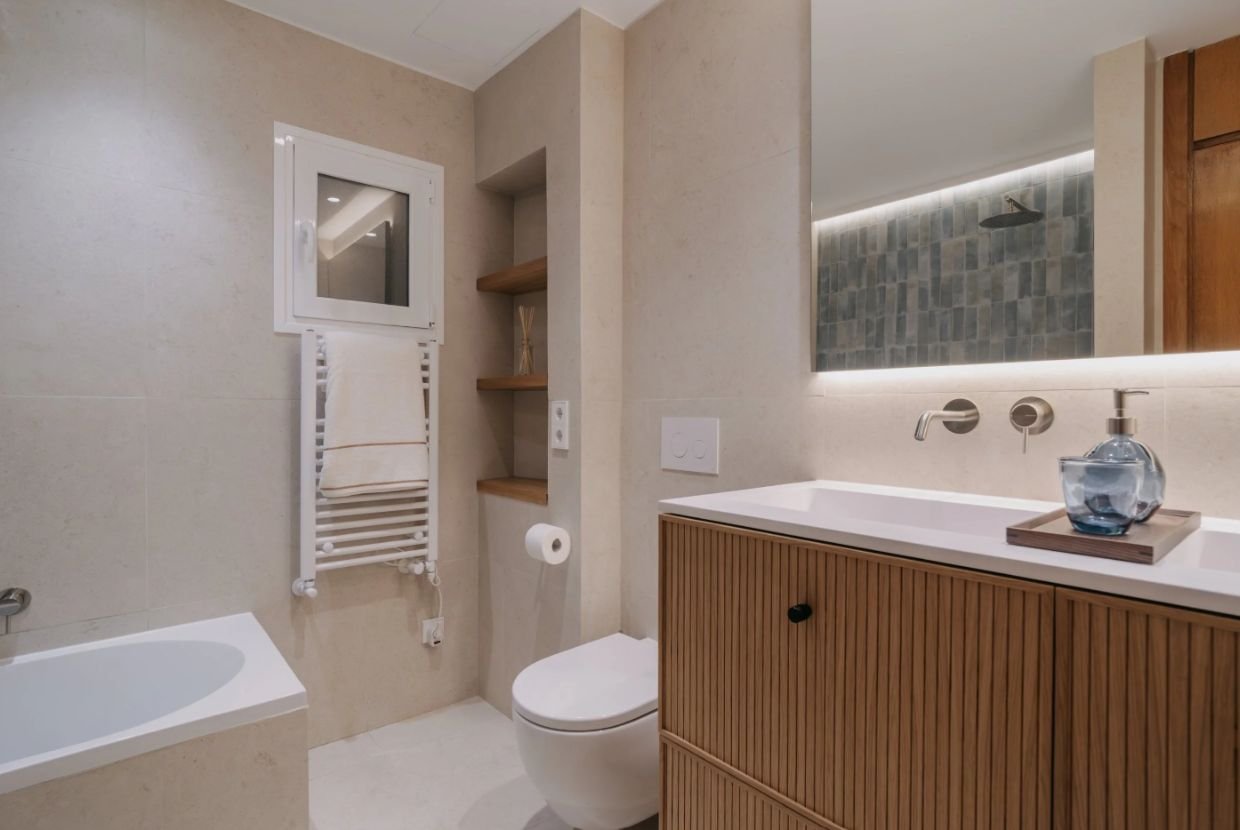
The rise of natural greens in interior design
Another of the great keys to trending wall colors is the consolidation of greens inspired by nature. Sage, olive and eucalyptus tones continue to grow in popularity thanks to their ability to convey serenity.
Unlike the intense greens used a few years ago, in 2026 the duller and more sophisticated versions predominate. They are very versatile colors, capable of adapting to both modern homes and more classic interiors.
Sage and olive green: balance and sophistication
Sage green has become one of the star tones of current interior design. Its softness allows it to be used on entire walls without visually overloading the space.
On the other hand, olive green provides a more elegant and enveloping touch, especially when combined with:
dark wood
natural textiles
warm lighting
brass details
organic furniture
These tones work especially well in bedrooms, reading areas and living rooms where the aim is to create a calm and sophisticated atmosphere.
Earth and terracotta tones: the Mediterranean influence
Mediterranean aesthetics continue to set many of the decorative trends of 2026. For this reason, colors inspired by the earth continue to play a leading role.
Walls in terracotta, clay or cinnamon tones provide a lot of personality without being excessively intense. In addition, they help create warm and welcoming environments all year round.
Within this trend, the following stand out especially:
soft terracotta
desaturated clay
cinnamon brown
reddish sand tones
natural ochers
These colors combine very well with handmade finishes, microcement, ceramics and natural materials.
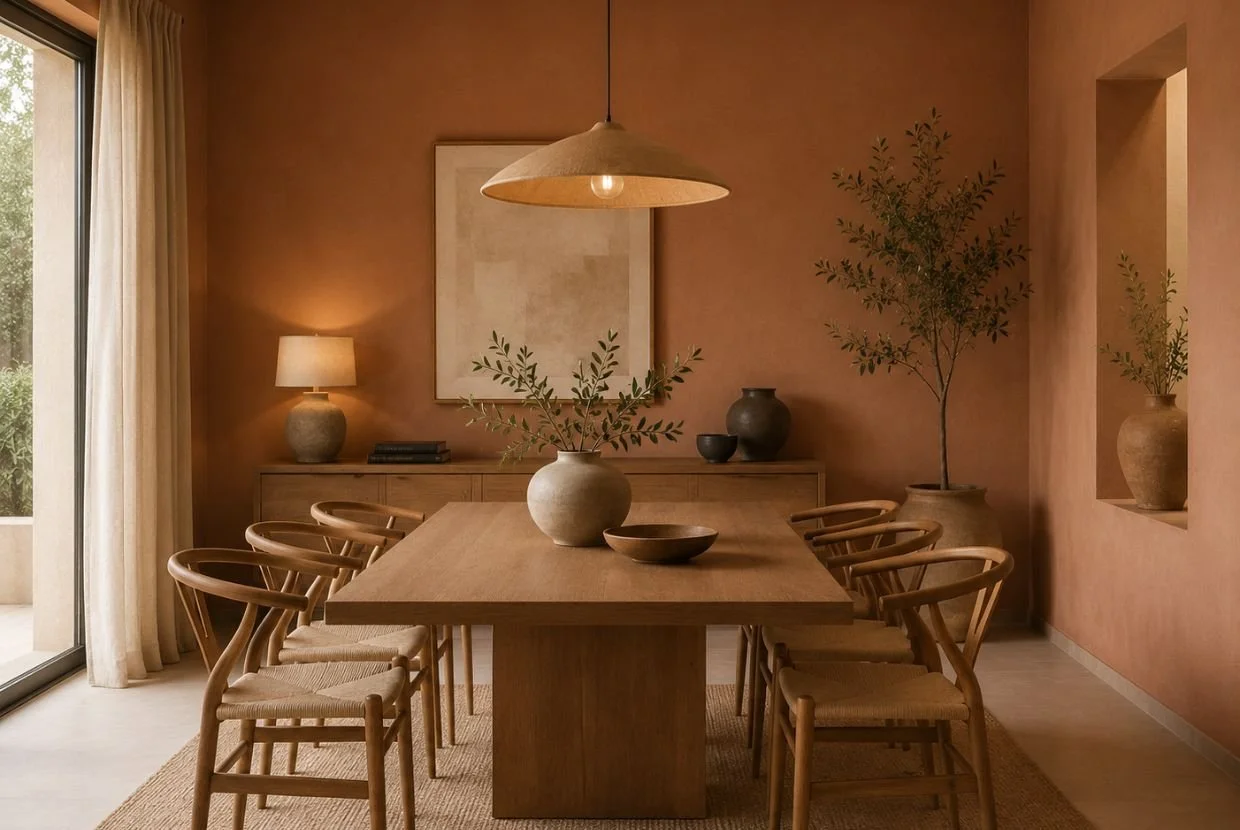
How to use earth tones without overloading the space
Although earth colors have a lot of personality, the key is to use them in a balanced way. One of the most common trends is to apply them only on accent walls or combine them with light neutrals.
They are also widely used in:
halls
dining rooms
bedroom headboards
work areas
walls with decorative texture
The objective is to generate visual depth without excessively obscuring the environment.
Deep browns: the big unexpected trend
For a long time, brown was practically disappeared from contemporary interior design. However, in 2026 it returns strongly in its most sophisticated versions.
Cocoa, coffee or walnut tones provide elegance and help create much more enveloping interiors. They are especially interesting in large spaces or in homes where a more refined and welcoming aesthetic is sought.
Among the trendy colors for walls, dark browns stand out for their ability to create contrast without resorting to black, which is beginning to lose prominence in decoration.
Cocoa and espresso tones for elegant interiors
Dark colors don't have to make a room look smaller. When used correctly, they can add depth and sophistication.
Deep browns work especially well alongside:
warm indirect lighting
fabrics in cream tones
natural woods
stone elements
matte finishes
In addition, they fit perfectly with the trend “quiet luxury”, one of the most influential decorative styles of the moment.
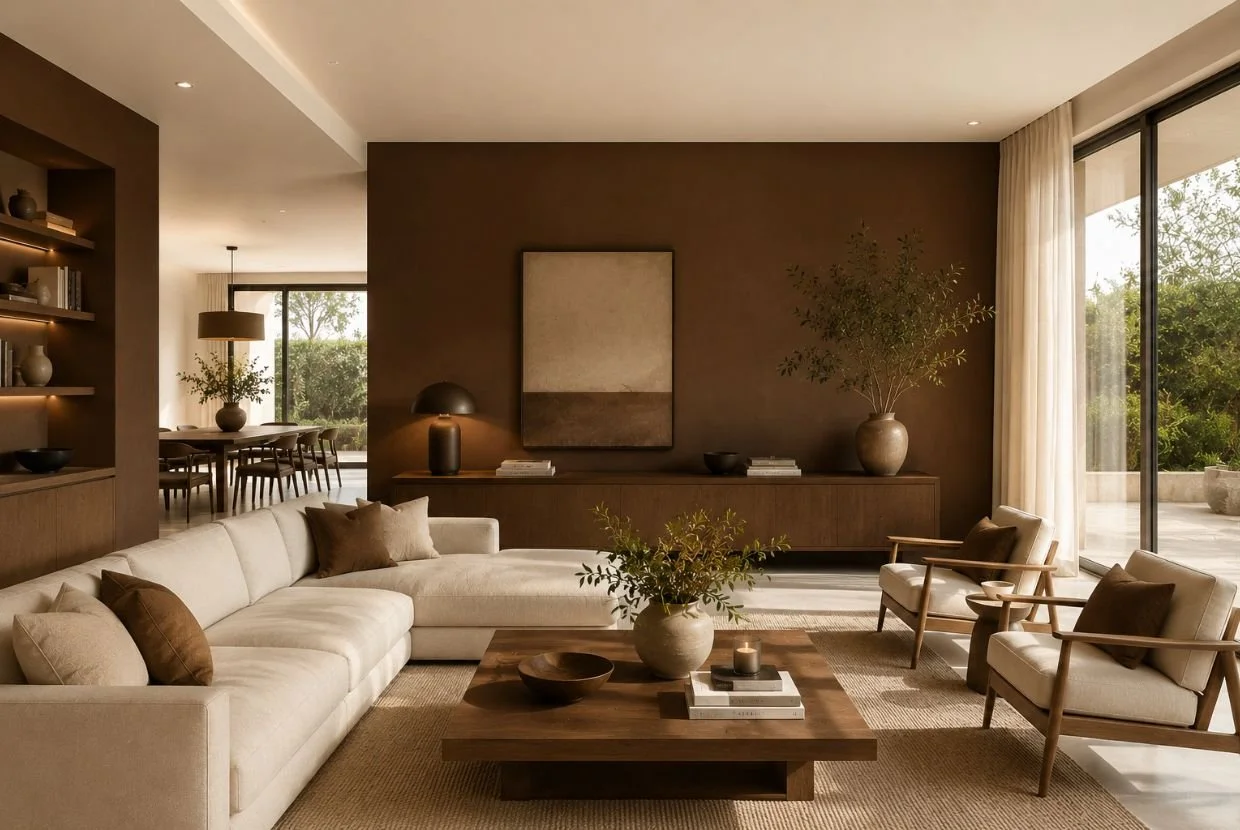
Soft and powdery blues
Blue is still present in chromatic trends, although in much more serene and muted versions. Electric and cold tones disappear to make way for more natural and sophisticated colors.
Among the most used are:
smoke blue
grayish blue
soft petrol blue
desaturated indigo
They are highly recommended tones for bedrooms, bathrooms and offices, as they help generate relaxing and elegant environments.
In addition, they work very well combined with warm whites, light wood and natural textiles.
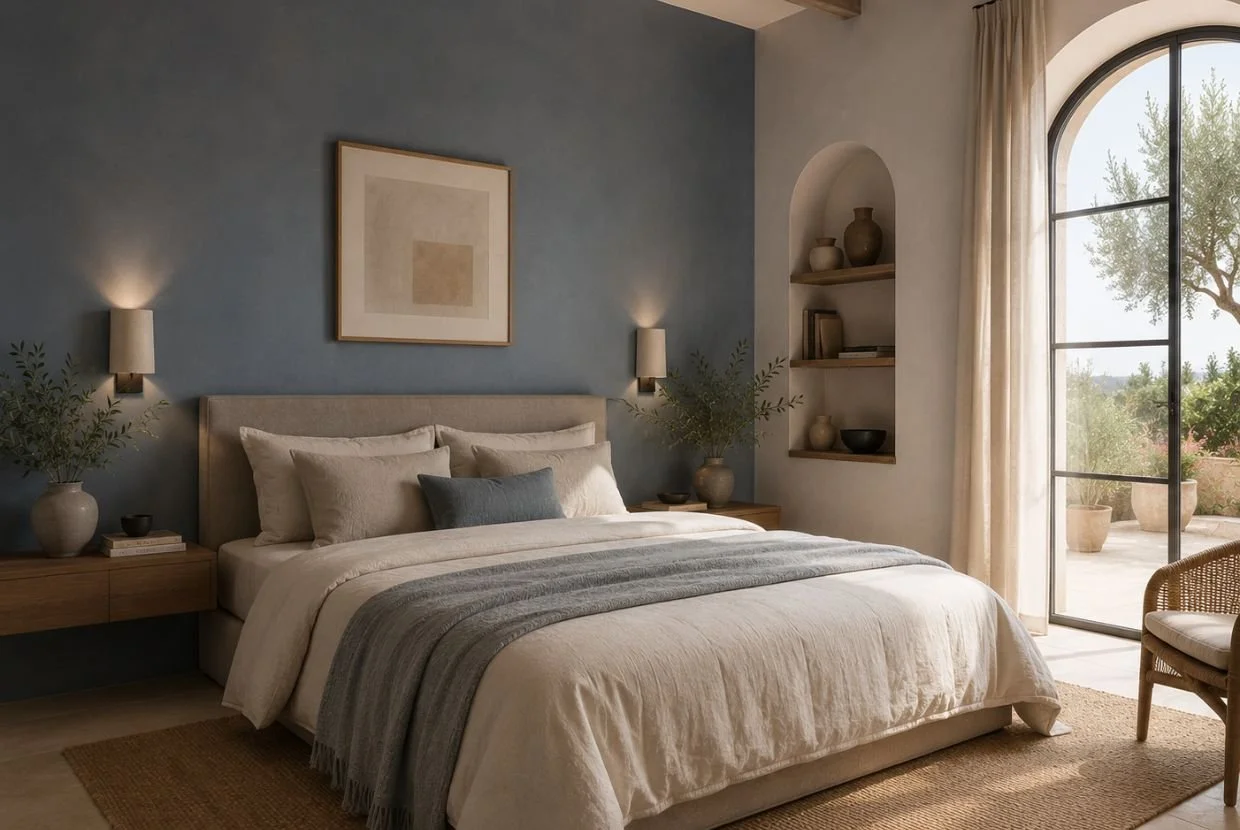
Textured finishes: beyond color
In 2026, not only the chosen tone matters. Decorative textures and finishes also take center stage.
Completely smooth walls begin to lose strength compared to options with more visual depth, such as:
lime effect
mineral paint
ultra matte finishes
limewash type techniques
handmade textures
These types of finishes allow light to interact with the surface in a much more organic way, providing visual richness without the need to use excessively striking colors.
Color drenching: one of the most used techniques
Another very present trend is color drenching, a technique that consists of painting walls, ceilings, doors and moldings in the same tone.
This proposal creates much more enveloping and sophisticated environments, especially when warm or natural tones are used.
The trend colors for walls that work best with this technique are usually:
sage green
mole
tan beige
soft brown
smoke blue
The result is more harmonious and visually relaxing interiors.
The colors that disappear in 2026
Just as some tones gain prominence, others are beginning to fall behind in new decorative trends.
Among the least used colors are:
pure cold gray
clinical target
very aggressive black and white contrasts
neon colors
completely monochromatic interiors
Current decoration seeks more emotional, warm and human spaces, moving away from the excessively rigid aesthetics that predominated in previous years.
Cristina Garau Interiorismo, your interior design studio in Mallorca
Correctly choosing colors for a home goes far beyond following trends. The lighting, materials, distribution and personality of each space directly influence the final result. At Cristina Garau Interiorismo we work on each project in a personalized way to create balanced, warm and timeless environments, adapted to the needs of each client. If you are looking for one interior designer in Palma de Mallorca to transform your home or renovate a space with a current and functional proposal, we will be happy to help you shape your project.